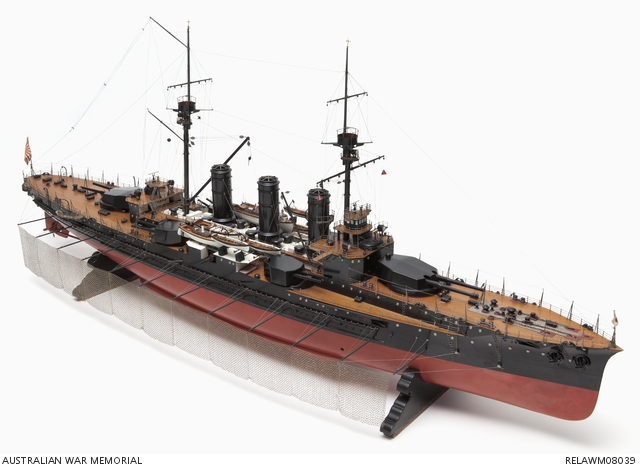
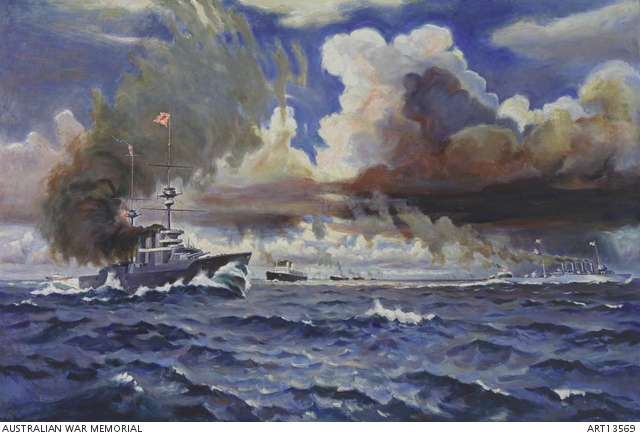
The IJN Ibuki is a Japanese battlecruiser that escorted the 38 transports carrying the Gallipoli bound Australian and New Zealand troops to the Middle East.


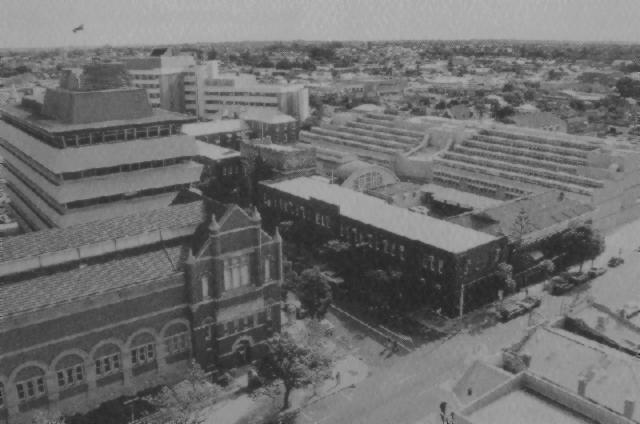
The old Swan Barracks and Central Drill Hall is located in Northbridge, Perth Western Australia. It was built to support the citizen militia forces in WA. Listen to the podcast at:
 DILHORN is a stately home in Western Australia. It is located on Bulwer Street in the inner city suburb of Highgate. It was built by Soldier Architect Joseph John Talbot Hobbs in 1897. (Image copyright State Heritage Office) Listen to the episode on Apple Podcasts:
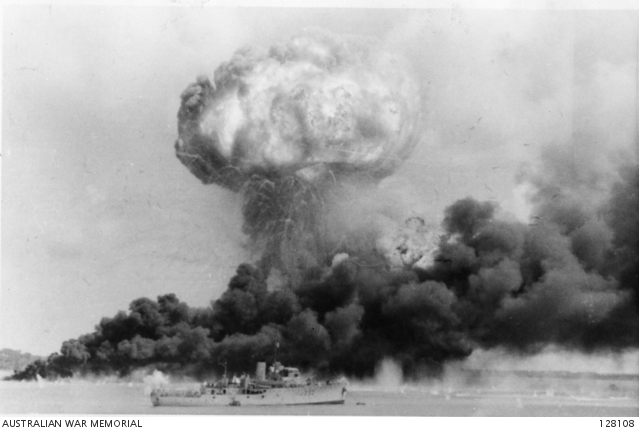
I was fortunate to have a chat with Peter Grose, author of ‘An Awkward Truth’, an account of the February 1942 Japanese bombing of Darwin. To know more about Peter, visit his website, which has links to his other works at – http://www.petergrose.net/Peter_Grose/An_Awkward_Truth.html or purchase ‘An Awkward Truth’ at all good bookshops or at Bookdepository.com
You can listen to podcast or download it on itunes:
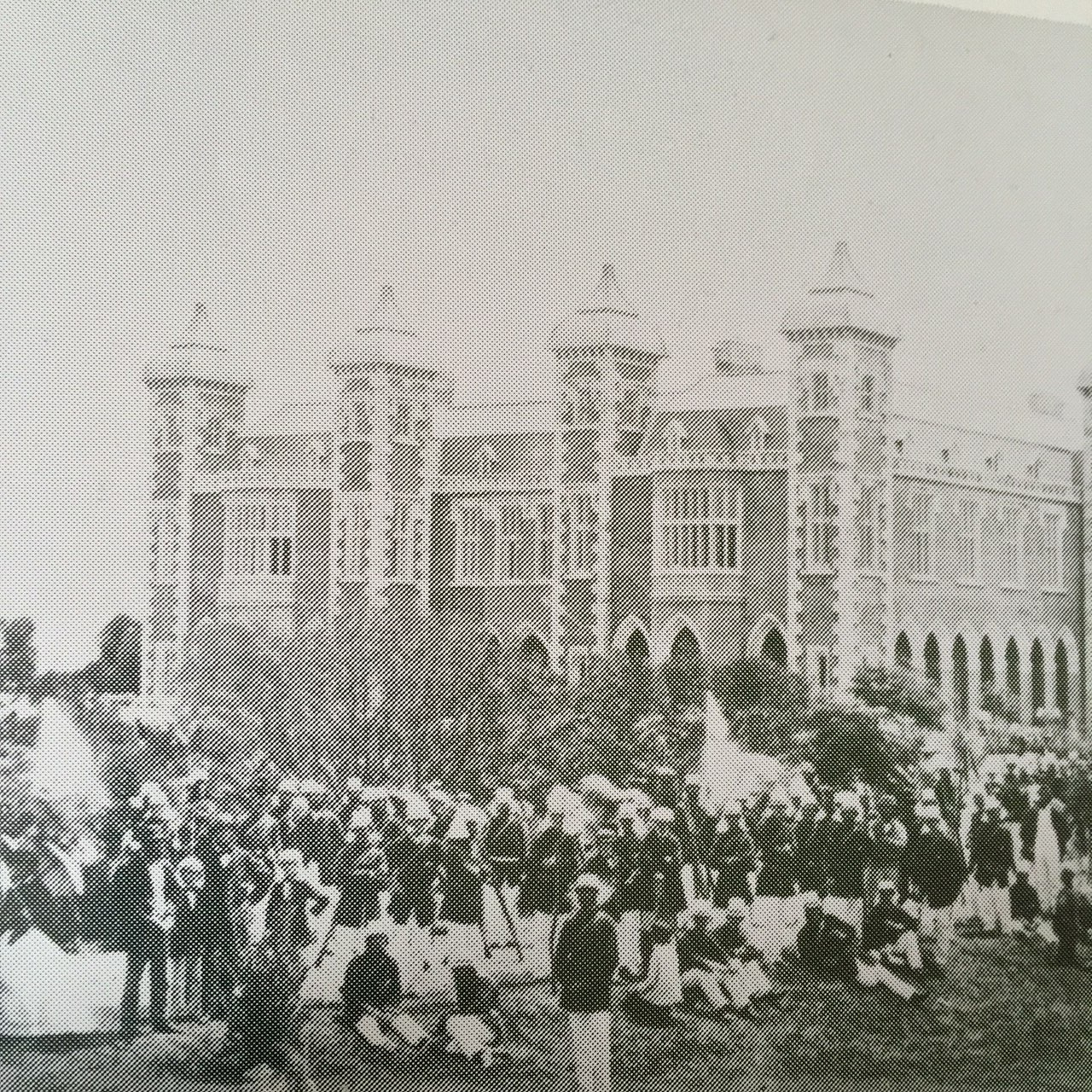
A great image of the towers of Government House, Perth circa 1864. In the foreground are members of the Western Australian Volunteer Force and their ladies at a soiree. Unfortunately not much uniform detail can be made out but the WAVF was primarily raised in Perth, Fremantle and Pinjarra. We’re compiling some fantastic pre-federation images which will be posted in due course. I am a particular fan of the uniform of the Pinjarra Mounted Volunteers which was considered the most elegant in the colony.
Please follow us on Facebook and instagram.
Available on itunes is part of an interview with Phil Rowson, an artillery expert who was very generous with his time. He took us through the history of K-Heavy Battery, one of the pieces that comprised the Fremantle Coastal Defence Fortress of World War 2.
Phil as an advisor to the Point Peron Rehabilitation Committee chaired by Mr Phil Edman MLC is assisting the hard-working committee to restore this beautiful piece of Western Australian military history.
Here is the link to the Point Peron Restoration Project:
http://www.pprp.com.au/about-the-project\
If you want to contact Phil Edman:
http://www.wa.liberal.org.au/state/philedman
And for more information about the Royal Artillery Historical Society of Western Australia, visit:
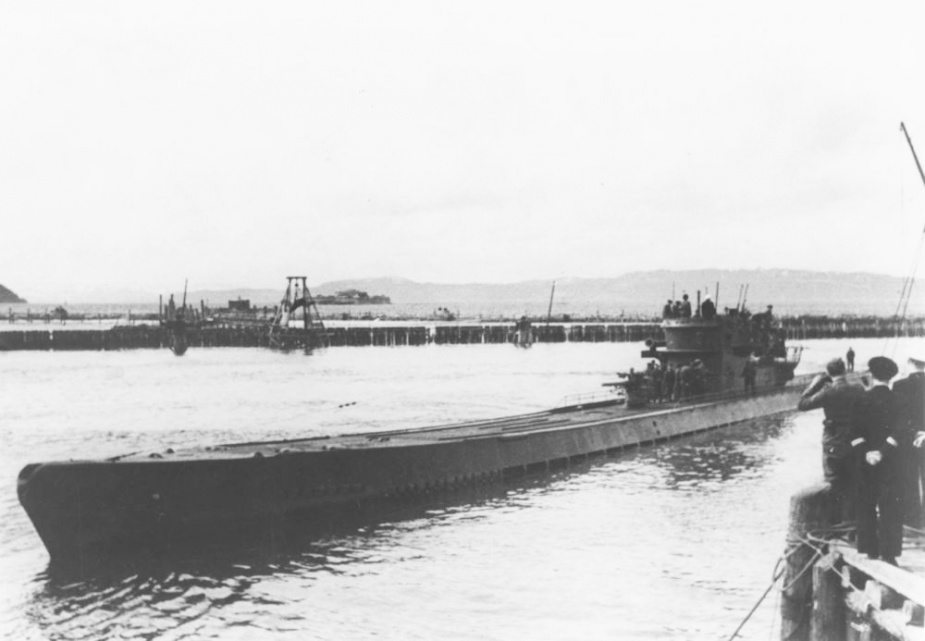
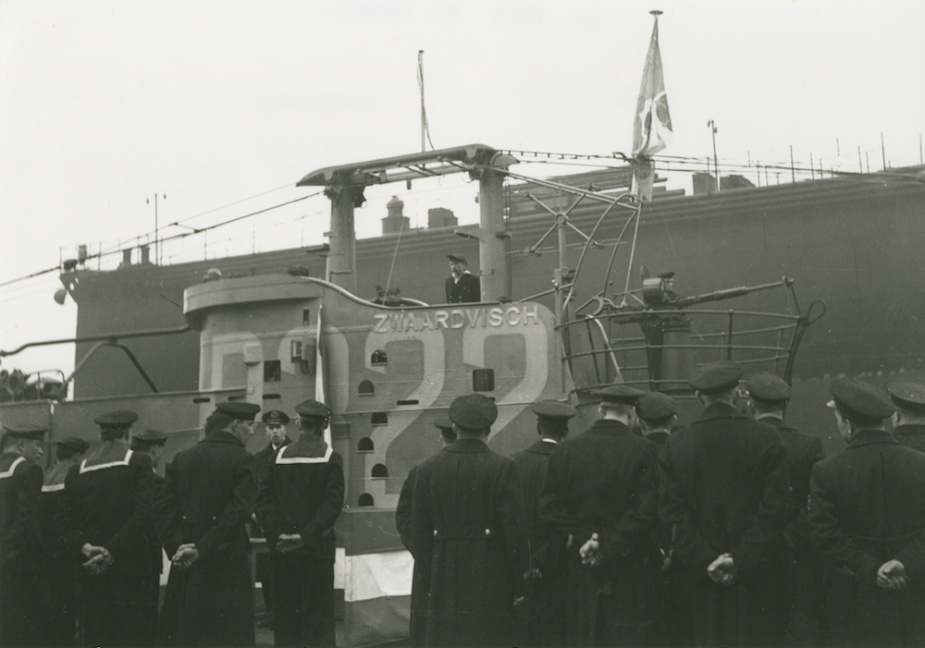

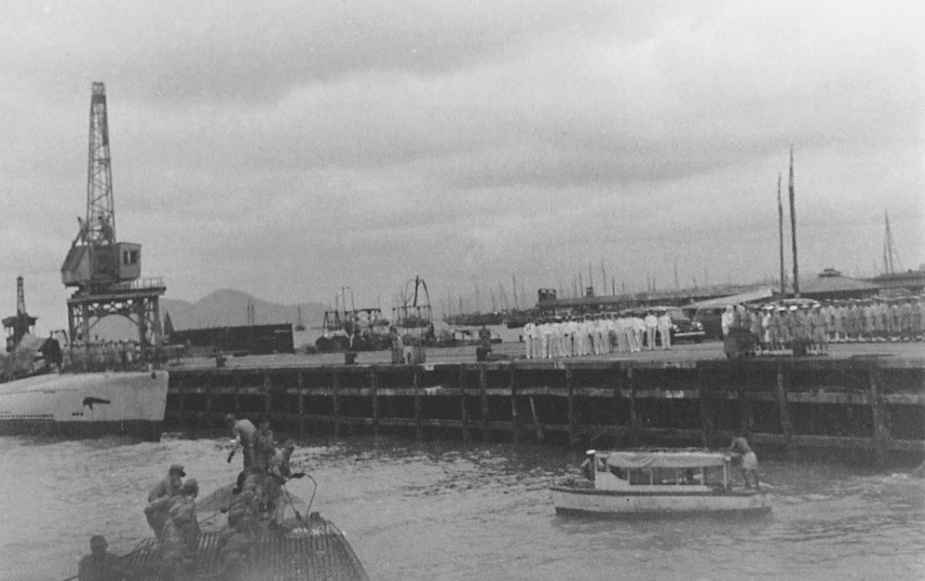
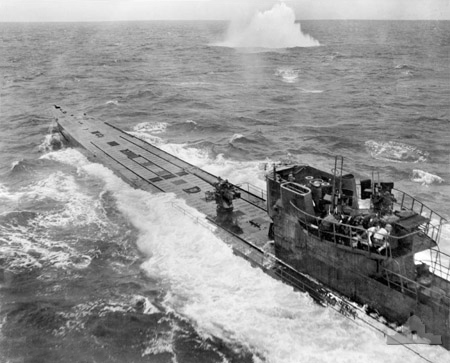
A link to the story is here, or you can subscribe (please subscribe!) and download the story from Itunes:
https://itunes.apple.com/au/podcast/backyard-battlefields/id910408871?mt=2
The story of German submarines in the Indian ocean is a fascinating but little known area of WW2. For anyone wanting to know more there is an excellent book on the subject written by Naval historian (And fellow ANU alumni) Dr. David Stevens called ‘U-Boat Far from Home’ published by Allen & Unwin (1997). You can buy it here:
http://www.amazon.com/U-Boat-From-Home-David-Stevens/dp/1864482672
It would be greatly appreciated if you could please follow myself and Backyard Battlefields on Facebook, instagram and Twitter.
https://www.facebook.com/backyardbattlefields
https://instagram.com/backyardbattlefields/
We were grateful to receive some additional information on the Krupp Feldkanone featured in the Boer War Memorial episode. Thanks goes to MC Heunis for giving us a great lead and the podcast will be updated soon.
TRANSCRIPT:
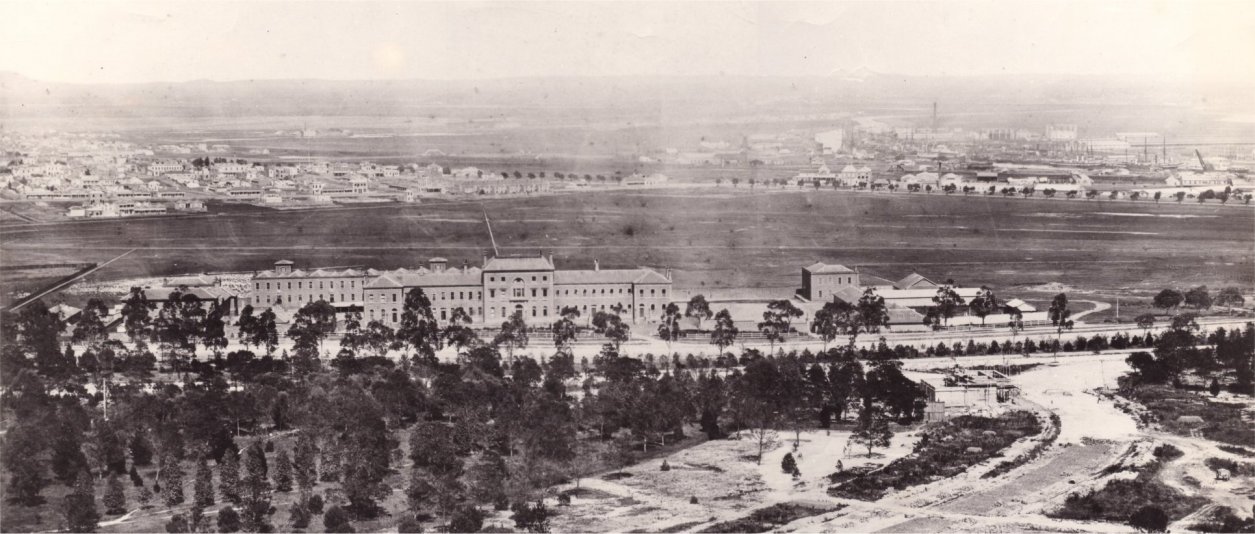
If you’ve ever been down St Kilda Road here in Melbourne you might’ve wondered what the beautiful dark grey building just near the National Gallery is. Although, the guns, and possibly the prominent signage and the words on the signage might indicate to you that it’s something to do with the military. It’s Victoria Barracks and it was originally the home of British Imperial Garrison troops and their families.
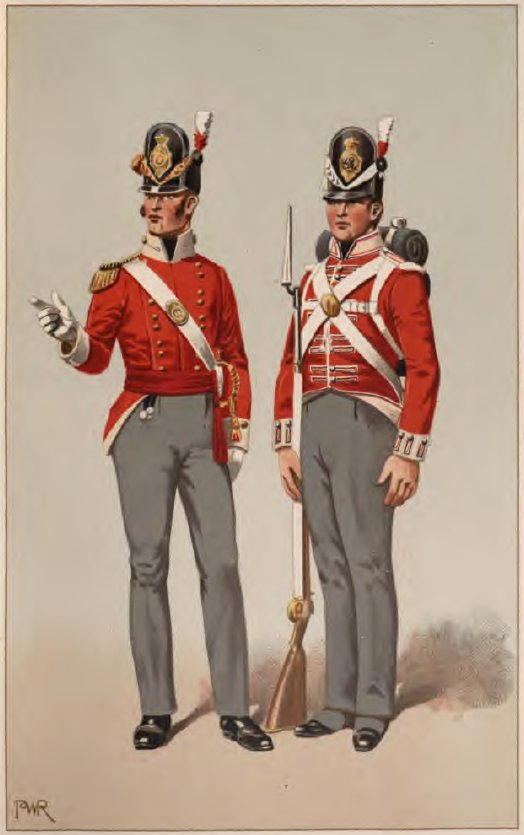
It was named in honour of Queen Victoria and construction began in 1856 and finished in 1872. 16 years, a pace of construction that would no doubt impress the building industry today. The most prominent and well known part of the barracks is called A-Block. For architecture aficionados A-Block is built in a Neo-Renaissance style out of Victorian bluestone. It housed the British 12th and 40th Regiments of Foot, the East Suffolks and 2nd Somersetshires respectively, elements of which previously took part in the fighting at the Eureka Stockade in Ballarat. In 1870 when these and other British regular troops left Australia it became the home of the Victorian Colonial Forces.
The Southern Wing of A-Block became the home of the British Commander in Chief of Australian colonies until 1866 when a separate residence ‘The Grange’ was constructed a just a short distance down the road.
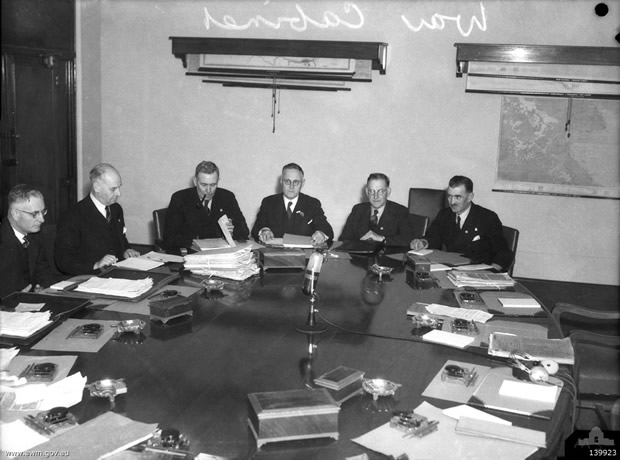
After federation in 1901 it continued its military purpose. It housed the department of Defence through the great war and into the second world war when it was the location of the Australian Government War Cabinet Room. This is where all major decisions regarding Australia’s wartime operations between 1939 and 1945 were made. In addition, it was also the headquarters of the Commander in Chief of the Australian Military forces General Sir Thomas Blamey.
Postwar, life got quiet for Victoria Barracks as it reverted to its role as the administrative HQ for army units in Australia up until1958 when the Department of Defence moved to Russell Offices in Canberra.
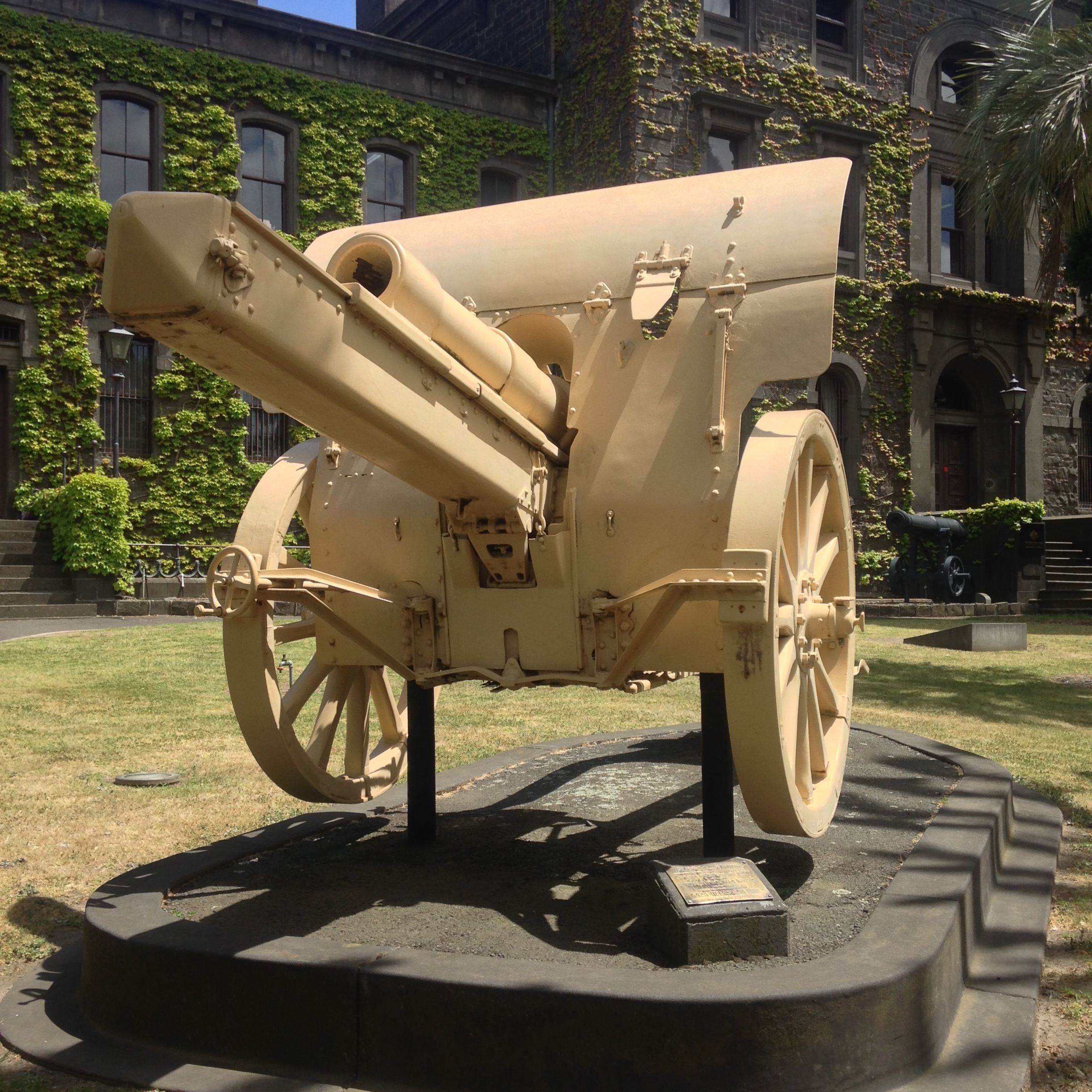
As interesting as the history of the building itself is, It’s what’s here at the front of Victoria Barracks that most grabs my imagination. Adorning the front lawn are four cannon captured from Britains various enemies on display. These are physical links to amazing moments in history and if I can paraphrase Australian singer songwriter Kate Cebrano, old guns are my weakness. When you are facing the building from St Kilda Road, on the left there is a Turkish 5.9inch howitzer.
It is gun number 956 made by the German firm Freidrich Krupp AG in 1916, as is evidenced by the markings on the breach block. You can find out more about Krupp guns by downloading the Boer War Memorial episode, but in the broad strokes, Krupp was an armaments firm who were the first to make steel cannons for the Prussian army.
It has a plaque which reads “Turkish 5.9 Inch Howitzer captured on 8th November 1917 by the Australian Mounted Division near Huj during the offensive against the Gaza-Beersheba Line which culminated in the occupation of Jerusalem”.
This is the campaign dramatized in the classic Australian film ‘The Lighthorsemen’ : (LIGHTHORSEMEN EXCERPT)
Another great account of war in this theatre is “With the Ninth Light Horse in the Great War,” written by Major T.H. Darley. Here is an extract:
The Turks had taken up a very strong position, supported by many guns, and the Yeomanry Brigade were seen to form a line, and with drawn swords, make a most gallant charge over the broken ground, in the face of heavy rifle and shell fire. “A” and “B” Squadrons (9th LH) continued to push on, and the right flank patrol, under L.-Cpl. Bennett, gained Nebi Huj where, after shooting down the escort, they captured two 5.9 howitzers
One of these guns from Major Darley’s account may well be number 956, but it’s not certain as other Turkish guns were captured by different units that day.
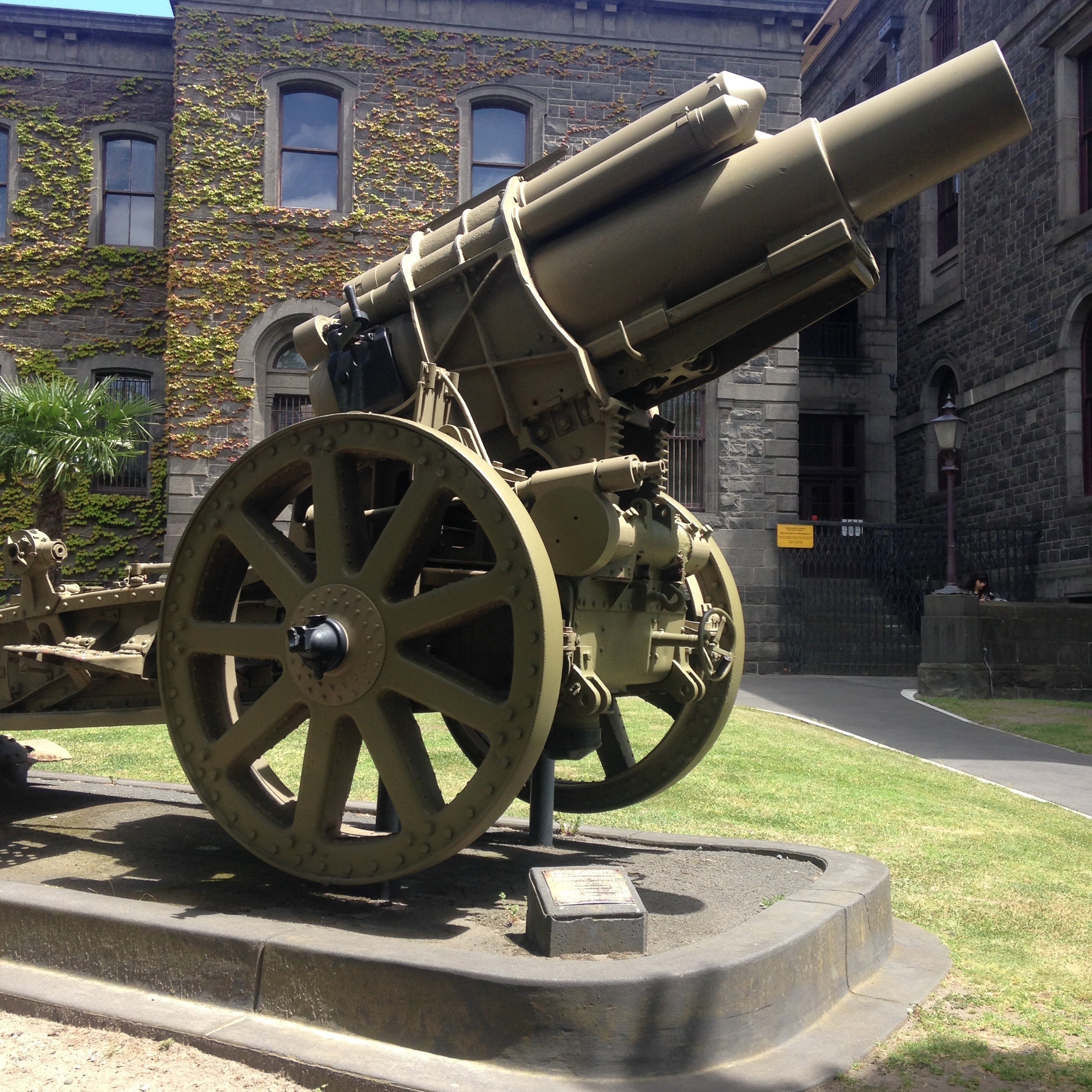
Here on the right there is another Krupp cannon, a Model 1910 21 cm Mortar. It is classified as a mortar but it’s actually a heavy howitzer which could fire a short, fat 114KG projectile about 9km. It was a short range, in-direct fire weapon that was used to lob shells over obstacles and the walls of fortifications.
This example was captured after an attack launched on September 18 , 1918 by the Australian 1st and 4th divisions on the Hindenburg Line. September 18 is also my birthday which is perhaps why I feel such an affinity for the gun, us both being Virgos. The Hindenburg Line was a major German defensive position made up of four parallel parts: the outpost line which is what the 1st and 4th divisions attacked, the main Hindenburg Line and the Le Catelet and Beaurevoir lines. It too has a plaque which reads:
“German 8INCH HOWITZER. Captured on 18th 19th September 1918 near San Quentin during the attack by the 1st and 4th Australian divisions A.I.F on the Hindenburg Outpost Line.”
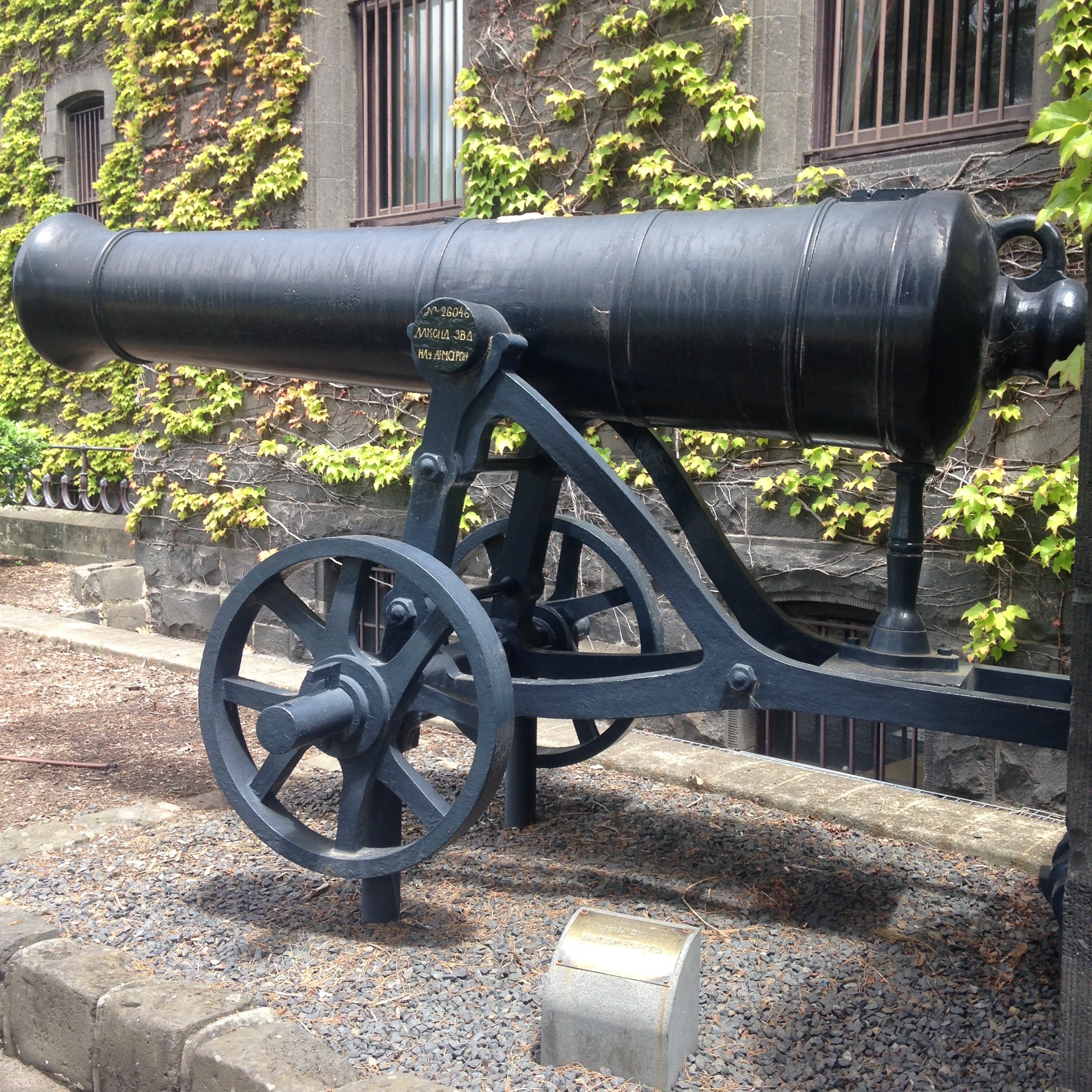
There are two more guns on display. They flank the front doors of the building and are twin Russian 36 pound naval cannons. The Cyrillic lettering on their sides indicate they were cast in 1838 at the Alexander Factory in Petrozavodsk in North West Russia. They were captured by British forces during the Crimean War, a conflict fought during 1853 and 1856 between England, France, the Ottoman Empire and Mediterranean superpower…Sardegna, against Russia.
In early 1855, after a protracted siege of the Crimean city of Sevastapol, the British and French forces overcame the Russian defenders and captured over 4,000 artillery pieces. In celebration of the victory it was decided to distribute a pair of cannon to each of the most important cities in the British Empire – including Gibraltar, Quebec, Dublin, Auckland and Melbourne.
The cannon weren’t just sent for display. Parts of some captured Russian cannon were removed and the metal used to create the Victoria Cross, the highest Commonwealth military award for valour. The metal that remains from the original cannon is kept in a British Army vault and it’s estimated that there’s enough left for about 80 medals which were and are still made by Hancock’s Jewelers in London.
In 1858 8 Russian cannons were dispatched to Australia. Two are located in Centennial Park in Sydney and another two in Adelaide. One each are in Hobart and Launceston respectively and the final two are sitting right here on St Kilda Road watching the scarves go by.
If you’d like to know more, some great references are the website of the Australian Light Horse Association, Google them or visit our website for the link also check out the classic Australian film: The Lighthorsemen, it features a pre-Baywatch Peter Phelps…very striking. Conversely If you want your appetite whet for the Crimean War, read ‘Flashman at the Charge’, for some risqué historical fiction by the brilliant writer George Macdonald Fraser.
I hope you enjoyed this episode, so if you’re visiting Melbourne or live here and you’re walking past Victoria Barracks, Take some time to appreciate the beautiful architecture and the amazing artifacts that are sitting just a few meters off St Kilda road.
The Australian Lighthorse Association – http://www.lighthorse.org.au/
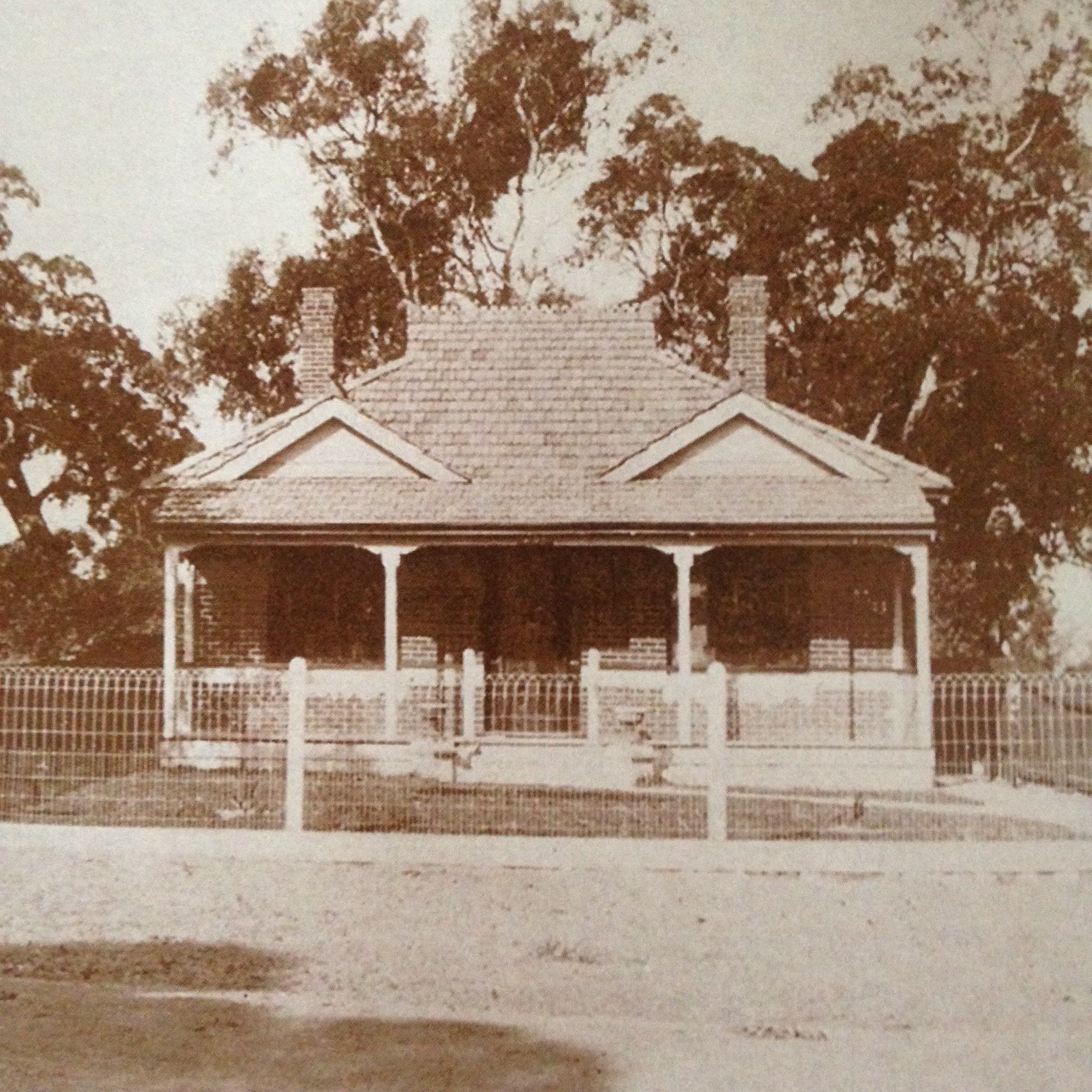
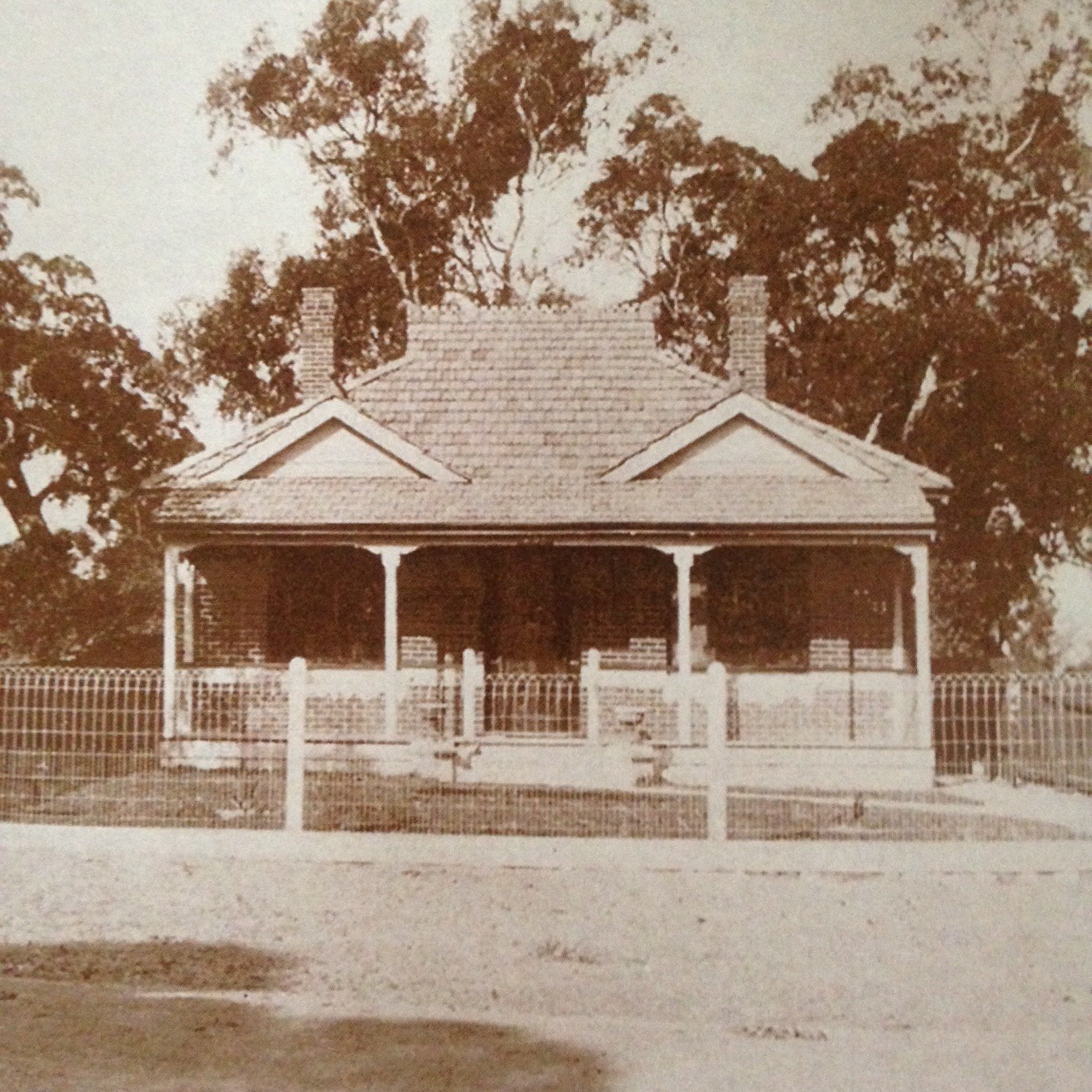
The House Built in a Day!
Anzac cottage is a house on Kalgoorlie Street in the Western Australian suburb of Mount Hawthorn. Mount Hawthorn for Eastern staters demographically is sort of like a Paddington or North Fitzroy. It’s cool, leafy, close to the city, elegant old houses, it’s really lovely. I have a very personal connection to the area because I’ve lived very close by my entire life, in addition to having recently bought a house just 5 streets away.
Places like Anzac Cottage is the reason Backyard Battlefields exists. It’s somewhere you may have driven past a thousand times and never looked twice at. However the house has an amazing and unique connection to Gallipoli and the story of Anzac and more people need to know about it.
To summarise, Anzac Cottage was built in 1916, in a day, by enthusiastic and patriotic locals for free, they all donated their time, material and efforts. I
t was then given as a gift to a veteran of Gallipoli. In addition to being a gesture of gratitude to all the troops who served in WW1 it was intended to be a quote unquote ‘useful’ war memorial.
It only came to my attention in the past couple of years and I was very lucky recently to speak to the wonderful Anne Chapple, who is the granddaughter of Private John Porter who was the soldier given the home to live in.
Here is a link to the amazing souvenir booklet that was issued when the house was built:
http://purl.slwa.wa.gov.au/slwa_b1350285_1.pdf?agree
You can download this and other episodes of the podcast here:
https://itunes.apple.com/is/podcast/backyard-battlefields/id910408871?mt=2